Natural ways to support a happy, healthy gut
Digestive discomfort can turn even the most enjoyable meal into an uncomfortable experience. Whether you’re dealing with occasional bloating, gas, nausea, or an unsettled stomach, nature offers a variety of herbs that have traditionally been used to support digestive health.
Today, we’re exploring five herbs for digestive support: ginger, peppermint, fennel, chamomile, and turmeric. We’ll look at their potential benefits, how to enjoy them, and what to keep in mind before adding them to your wellness routine.
1. Ginger: The Warming Root for an Unsettled Stomach
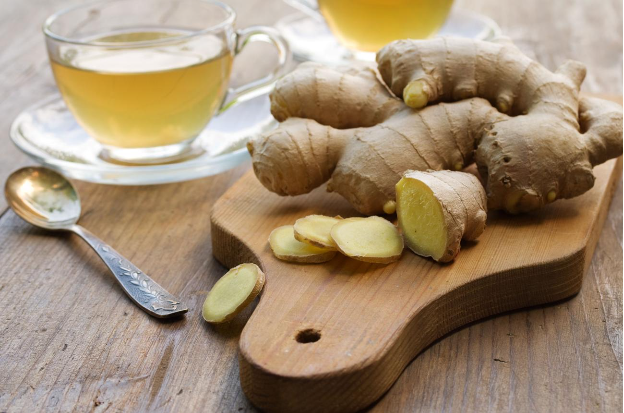
Ginger (Zingiber officinale) has been valued for centuries in traditional Chinese and Indian wellness practices. Known for its warm, slightly spicy flavor, this aromatic root is a popular natural remedy for nausea and digestive discomfort.
Ginger contains active compounds called gingerols and shogaols, which contribute to its characteristic flavor and biological activity.
Digestive benefits of ginger
Ginger has been studied for its effects on stomach emptying, and how much it helps with everyday digestive symptoms.
How to enjoy ginger
One of the simplest ways to incorporate ginger into your daily routine is with homemade ginger tea.
Try this simple ginger tea:
- 3–4 thin slices of fresh ginger
- 1 cup hot water
- A squeeze of fresh lemon
- Honey, if desired
Steep the ginger in hot water for 5–10 minutes, strain, and enjoy.
You can also add freshly grated ginger to soups, stir-fries, smoothies, or homemade salad dressings.
Good to know: Ginger can cause heartburn or stomach discomfort in some people, especially when consumed in large amounts.

2. Peppermint: A Refreshing Herb for Digestive Comfort
Peppermint (Mentha × piperita) is more than a refreshing addition to tea and desserts. Its cooling flavor and distinctive aroma have made it a popular herb for digestive wellness for generations.
Peppermint contains menthol, a natural compound that can help relax smooth muscle, including muscle in the digestive tract.
Digestive benefits of peppermint
Peppermint tea has been studied for its potential to relieve abdominal pain and symptoms associated with irritable bowel syndrome (IBS).
How to enjoy peppermint
Peppermint tea is an easy and refreshing way to incorporate this herb into your routine.
Try this soothing peppermint tea:
- 1 tablespoon fresh peppermint leaves or 1 teaspoon dried leaves
- 1 cup hot water
- Honey, if desired
Steep for 5–10 minutes. Strain and enjoy warm, or allow it to cool for a refreshing iced tea.
You can also add fresh peppermint leaves to water, fruit salads, and homemade herbal infusions.
Good to know: Peppermint may worsen heartburn or acid reflux. If you experience GERD, peppermint might not be the right digestive herb for you.
3. Fennel: A Traditional Remedy for Bloating and Gas
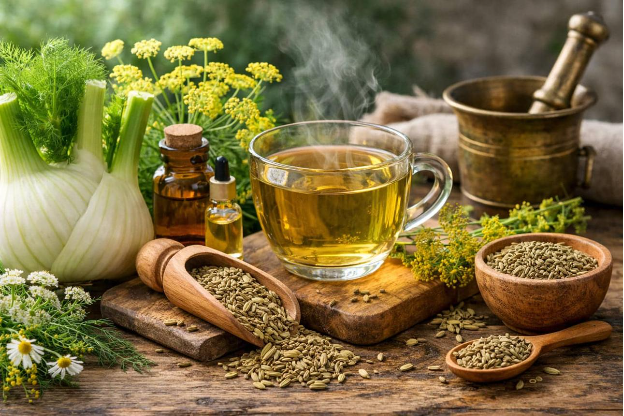
Fennel (Foeniculum vulgare) is an aromatic plant with a slightly sweet, licorice-like flavor. Both its bulb and seeds are commonly used in cooking, while its seeds have a long history in traditional herbal medicine.
In many cultures, fennel seeds are enjoyed after meals as a traditional way to support digestion.
Digestive benefits of fennel
Fennel seed preparations have traditionally been used for mild digestive complaints, particularly bloating, gas, and occasional intestinal cramping.
How to enjoy fennel
Fennel is wonderfully versatile. Its seeds can be steeped into tea, toasted in a skillet, or incorporated into your favorite dishes.
Try this after-dinner fennel tea:
- 1 teaspoon fennel seeds
- 1 cup hot water
Lightly crush the seeds to release their aroma. Add them to hot water, cover, and steep for approximately 10–15 minutes. Strain and enjoy.
For a culinary twist, try roasting fresh fennel bulbs with olive oil, garlic, and lemon, or adding a pinch of crushed fennel seeds to homemade soups.
Good to know: Fennel tea isn’t recommended for everyone, particularly during pregnancy or for young children. Seek medical advice before using concentrated fennel preparations.

4. Chamomile: A Gentle Herb for Relaxation and Digestive Wellness
Chamomile (Matricaria chamomilla) is well known for its delicate, apple-like aroma and its association with relaxation.
Often enjoyed as a warm cup of tea before bed, chamomile has also been used for centuries in traditional herbal practices for digestive discomfort.
Digestive benefits of chamomile
Chamomile has traditionally been used to help soothe an unsettled stomach and support digestive comfort.
Its calming aroma and naturally caffeine-free qualities make chamomile a pleasant choice for an evening herbal tea ritual.
How to enjoy chamomile
Try this calming chamomile tea:
- 1–2 teaspoons dried chamomile flowers
- 1 cup hot water
- A small drizzle of honey, if desired
Steep for 5–10 minutes, strain, and enjoy.
For an extra touch of flavor, add a slice of lemon or combine chamomile with a little fresh ginger.
Good to know: Avoid chamomile if you have an allergy to ragweed or related plants. Chamomile can also interact with certain medications, including warfarin and potentially sedatives.

5. Turmeric: The Golden Root with a Long History in Wellness
Turmeric (Curcuma longa) is a vibrant golden-yellow spice that has been used in cooking and traditional wellness practices.
A member of the ginger family, turmeric is especially prominent in Indian cuisine and Ayurvedic traditions.
Its best-known active compound is curcumin, which has been extensively studied for its potential anti-inflammatory properties.
Digestive benefits of turmeric
Turmeric has traditionally been used for indigestion and abdominal discomfort.
Turmeric remains a flavorful way to add variety to your meals, even though consuming it as a culinary spice is not equivalent to taking a concentrated curcumin supplement.
How to enjoy turmeric
One of the most comforting ways to enjoy turmeric is in a warm cup of golden milk.
Try this simple golden milk recipe:
- 1 cup milk or unsweetened plant-based milk
- ½ teaspoon ground turmeric
- ¼ teaspoon ground ginger
- A pinch of cinnamon
- Honey, if desired
Combine the ingredients in a small saucepan and gently warm over medium-low heat. Stir until blended, then pour into your favorite mug.
You can also add turmeric to roasted vegetables, soups, lentils, and homemade salad dressings.
Good to know: Concentrated turmeric and curcumin supplements are not suitable for everyone. Some enhanced-absorption formulations have been associated with liver injury. Culinary amounts and supplement doses should not be treated as interchangeable.
Bringing These Herbs Into Your Everyday Routine
Supporting digestive wellness doesn’t have to be complicated. Small, intentional habits can help you create a more balanced approach to everyday well-being.
Whether you’re preparing a nourishing meal, enjoying a warm beverage, or experimenting with new herbs in the kitchen, these five plants offer delicious opportunities to reconnect with nature.
Final Thoughts: A Natural Approach to Digestive Wellness
Nature provides a wonderful collection of herbs that can complement a healthy lifestyle. Ginger, peppermint, fennel, chamomile, and turmeric each have unique qualities, flavors, and traditional uses.
Remember, digestive health is about more than any one herb or supplement. Staying hydrated, eating a balanced diet, moving regularly, and managing stress are also important parts of caring for your gut. Sometimes, supporting your well-being can be as simple as slowing down and enjoying a warm cup of herbal tea.