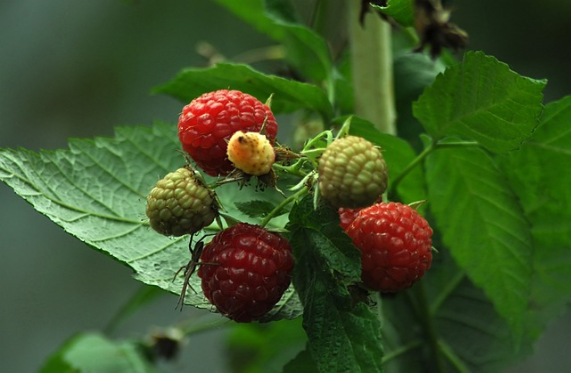
COMMON NAME: RED RASPBERRY LEAF
LATIN NAME: Rubus spp.
FAMILY: Rosaceae
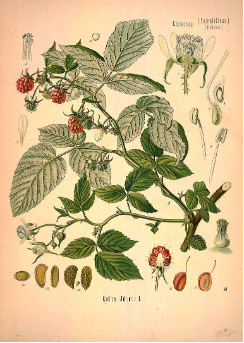
PARTS USED: leaves, fruit, bark
REGIONS: Widespread
SYSTEM AFFECTED: digestive, urinary, circulatory
HARVESTING GUIDELINES: Harvest a few top leaves from each plant before the blossoms open.
PLANT CONSTITUENTS: Flavonoids, tannins, volatile oils, pectin, vitamins A, B, C, E, minerals: iron, calcium, phosphorus, elegiac acid.
ACTIONS: Astringent, Diuretic, Febrifuge, Parturient, Stomachic Tonic, Uterine Tonic
TASTE: Bitter (mild), Pungent
ENERGY: Cooling, Drying
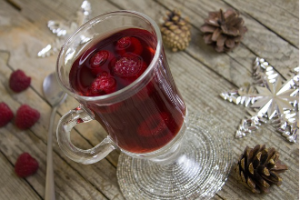 USES: Red raspberry leaf is widely used as a female tonic. It can help reduce excessive menstrual bleeding, relieve nausea, tone and strengthen the uterus, and lessen childbirth pain. By supporting the endocrine system and helping balance hormones, raspberry leaf may regulate menstrual cycles in young women and help restore irregular cycles. It is also used for prostate health in men.
The leaf’s astringent properties make it useful for relieving diarrhea. Topically or as a rinse, raspberry leaf can ease oral problems such as ulcers, bleeding gums, and inflammation, and as a gargle it may soothe sore throats. It has also been used traditionally to help reduce fever.
CONTRADICTIONS: None known
DOSAGES: Tea: 1-3 teaspoons per cup boiling water, steeped for 10-15 minutes, taken three times per day. Tincture: 2-4 mL 1:5 tincture taken three times per day