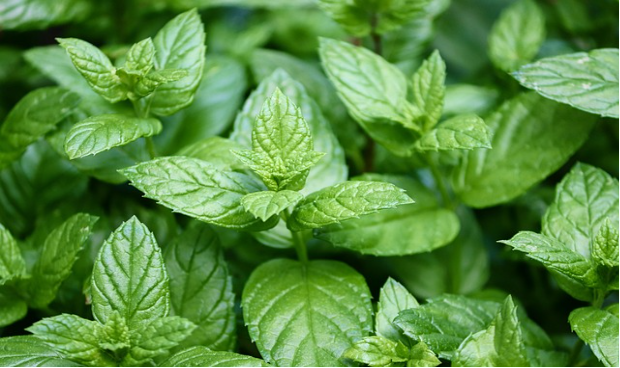
COMMON NAME: PEPPERMINT
LATIN NAME: Mentha × piperita
FAMILY: Lamiaceae
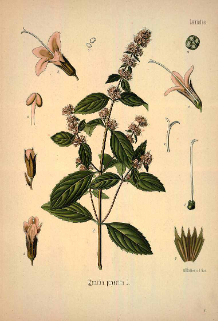
PARTS USED: leaves
REGIONS: Widespread
SYSTEM AFFECTED: digestive, circulatory, respiratory
HARVESTING GUIDELINES: Harvest the top 3 to 4 inches of the stem, cutting just above the leaves below, of plants that are barely showing flower buds.
PLANT CONSTITUENTS: Volatile oils, vitamins, minerals, flavonoids, tannins.
ACTIONS: Antispasmodic, Carminative, Antimicrobial, Analgesic, Diaphoretic, Stimulant, Nervine, Anti-emetic
TASTE: Bitter (mild), Refreshing, Pungent
ENERGY: Cooling, Drying, Warming
 USES: Peppermint is a nutrient-rich herb with a range of traditional and partly researched therapeutic uses. It contains minerals such as magnesium, phosphorus, calcium, iron, potassium, sodium, and selenium, plus B vitamins (thiamine, riboflavin, niacin), vitamins A and C, and small amounts of protein. Its primary active compound, menthol, contributes to many of peppermint’s effects.
- Digestive and antispasmodic benefits: Menthol and other constituents have mild antispasmodic properties that can ease digestive discomfort. Peppermint may relieve nausea, reduce gas and bloating, and aid digestion. It’s also used to soothe menstrual cramps and painful muscle spasms.
- Analgesic and anti-inflammatory uses: Peppermint is commonly applied for headaches, toothaches, earaches, and general muscle aches. Its cooling, mild analgesic action can provide short-term relief when applied topically or inhaled.
- Respiratory and antimicrobial effects: Peppermint’s aromatic oils may help clear nasal passages and support respiratory comfort. Traditional uses include managing symptoms of colds, flu, and certain infections; some components show antimicrobial activity in laboratory studies.
- Nervine and stimulant qualities: Peppermint has a dual action on the nervous system. It can be calming—helping to relieve anxiety and tension—while also offering a gentle stimulant effect that may increase alertness, making it useful as a morning or afternoon lift.
CONTRADICTIONS:. Peppermint essential oil should always be diluted before use. Its high concentration of active compounds makes undiluted or high-dose use unsafe during pregnancy and for babies and young children. Peppermint can reduce milk flow in some nursing mothers, so avoid large amounts of peppermint oil or concentrated peppermint products while breastfeeding. People with gastroesophageal reflux disease (GERD) may experience worsening symptoms after using peppermint, as it can relax the lower esophageal sphincter and increase reflux.
Suggestions:
- For topical use, dilute peppermint essential oil in a carrier oil to a low concentration (commonly 0.25–1% for infants/children and 1–3% for adults) and patch-test first.
- Avoid ingesting peppermint essential oil unless advised by a qualified healthcare professional.
- Nursing mothers concerned about milk supply should limit peppermint tea and avoid peppermint oil products; consult an IBCLC or healthcare provider if you notice reduced milk flow.
- People with GERD should avoid peppermint oil and discuss alternatives with their clinician.
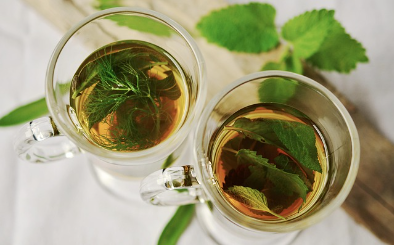
DOSAGES: Tea: 1 heaping teaspoon of dried herb in 8 ounces of water, steep covered for 15-20 minutes.
Tincture: 1-2 mL of a 1:5 tincture (40%) 3 times per day.