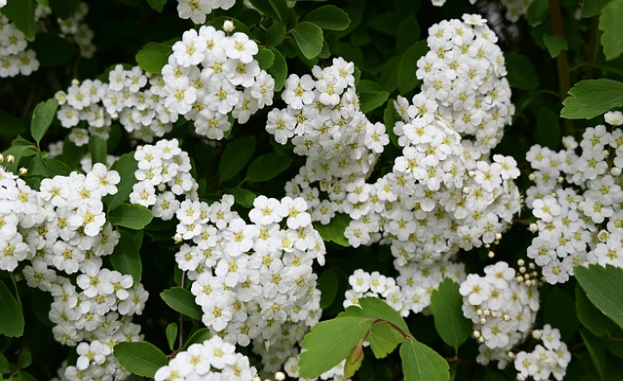
COMMON NAME: MEADOWSWEET, Queen of the Meadow, Bridewort, Quaker Lady
LATIN NAME: Filipendula ulmaria (syn Spirea ulmaria, Spirea tomentosa, Filipendula vulgaris)
FAMILY: Rosaceae
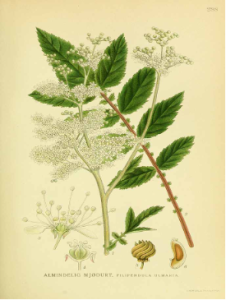
PARTS USED: Leaves and flowering tops; root and rhizome
REGIONS: British Isles and in other European countries, and in temperate parts of Asia, including Mongolia. Meadowsweet has naturalized to the eastern United States and Canada
SYSTEM AFFECTED: digestive, musculoskeletal, respiratory, urinary
HARVESTING GUIDELINES: meadowsweet grows wild, it can also be propagated by sowing the seeds in spring or autumn in moist rich soil, with a mix of sun and light shade. It may also be started in trays containing compost, and kept warm and sufficiently moist under glass
PLANT CONSTITUENTS: alicyclic acid, flavone glycosides, essential oils, tannins.
ACTIONS: Anti-inflammatory, Astringent, Anti-emetic, Anti-rheumatic, Carminative, Diaphoretic, Diuretic, Febrifuge, Antibacterial, Antioxidant, Trophorestorative, Anti-histamine
TASTE: Astringent, Bitter
ENERGY: Cooling, Drying
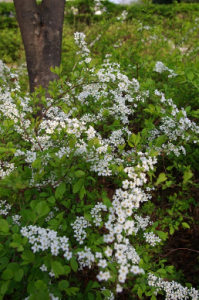 USES: Meadowsweet is a mild yet effective anti-inflammatory herb traditionally used to relieve arthritis and other aches and pains. Its leaves and flowers contain salicylates, which the body converts to compounds similar to aspirin. Because of this, meadowsweet can ease headaches and pain from rheumatoid and osteoarthritis, gout, lumbago, and sciatica.
The herb also supports the digestive system. It soothes gastritis (inflammation of the stomach lining), helps relieve stomach upset, and has been used to help heal gastric ulcers. Meadowsweet’s astringent and anti-inflammatory actions make it useful for reducing digestive irritation and discomfort.
Meadowsweet is commonly employed for respiratory complaints such as colds and congestion and may help reduce fever due to its mild analgesic and anti-inflammatory effects. Traditionally, it has also been applied to wounds.
Beyond digestive and musculoskeletal uses, meadowsweet acts as a mild diuretic with antiseptic properties. It can assist in managing water retention and has been used to support urinary tract conditions, including cystitis and some kidney complaints. Its antiseptic action contributes to bladder and urinary tract hygiene.
Precautions: Because meadowsweet contains salicylates, it can cause similar effects to aspirin. Avoid use with aspirin or other anticoagulants, and in people allergic to salicylates. Use cautiously in pregnancy, breastfeeding, or with peptic ulcers unless under professional guidance. Consult a healthcare provider before use, especially if you take other medications or have chronic health conditions.
CONTRADICTIONS: Salicylates can interfere with iron metabolism; therefore, take salicylate-containing herbs and iron supplements several hours apart. Meadowsweet flowers and other salicylate-containing parts may interact with warfarin (Coumadin) and other anticoagulants. Use caution or avoid meadowsweet if you have salicylate sensitivity or an aspirin allergy.
- DOSAGES: Hot infusion: dried flower 2.5–3.5 g/day; whole dried herb 4–5 g/day.
- Tincture (fresh herb): 60–90 drops, up to 4 times daily.
- Tincture (dried herb, 1:5 in 50% alcohol): 90–120 drops, up to 4 times daily.
- Root (powder): commonly 3 g for digestive upset or diarrhea.
- Larger total weekly doses (used traditionally for inflammatory conditions): up to ~60 mL/week.
- Lower weekly doses (used traditionally for peptic ulcers/gastritis): ~15–20 mL/week.