COMMON NAME: MARSHMALLOW ROOT, marsh mallow, mallards, mauls
LATIN NAME: lthaea officinalis
FAMILY: Malvaceae
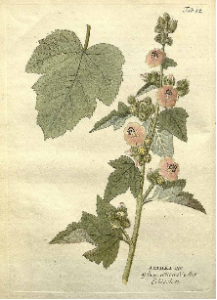
PARTS USED: roots, leaves
REGIONS: Europe, western Asia, Africa
SYSTEM AFFECTED: digestive, urinary, respiratory
HARVESTING GUIDELINES: Harvest the roots in the fall. Plant should have at least 2.5 to 3 years of growth before roots are ready. Leaves can be harvested throughout the summer while soft, fresh, and free of discoloration or mildew.
PLANT CONSTITUENTS: Root: mucilage, starch, pectin, flavonoids, phenolic acids, sucrose, asparagine, tannins Leaf: flavonoids, scopoletin, polyphenols
ACTIONS: Demulcent, Diuretic, Anti-bacterial, Anti-inflammatory, Expectorant, Emollient
TASTE: sweet
ENERGY: cooling, moist
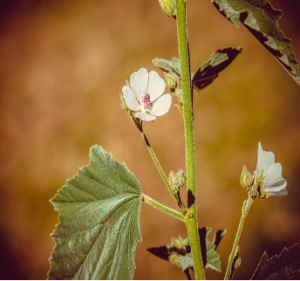 USES: Marshmallow (Althaea officinalis) is a versatile medicinal herb with a long history of traditional use for respiratory, gastrointestinal, urinary, and skin complaints. Its roots and leaves are rich in mucilage, a gelatinous substance that soothes and protects mucous membranes and irritated tissues. This demulcent action makes marshmallow useful for relieving sore, dry throats: the mucilage coats and cools inflamed tissues, reducing cough reflex sensitivity and easing harsh, persistent coughs. It also acts as a mild expectorant, helping loosen and clear congestion while protecting delicate airway linings.
For digestive issues—such as irritable bowel syndrome (IBS), colitis, ulcers, diarrhea, and general stomach irritation—marshmallow’s mucilage can form a protective film over the gastrointestinal lining, calming inflammation and reducing irritation. Its tannins contribute an astringent effect that may help with diarrhea and mucosal protection. Marshmallow also contains prebiotic compounds that can support beneficial gut bacteria.
In urinary tract conditions, marshmallow’s soothing mucilage and tannins may relieve bladder and urethral discomfort and can have a mild diuretic effect that supports flushing of the urinary tract. Externally, the flowers and leaf preparations serve as emollients, calming inflamed skin and promoting healing of minor irritations.
Marshmallow may modestly influence blood glucose by slowing carbohydrate absorption and reducing postprandial blood sugar spikes. Because it coats the digestive tract, it can alter drug absorption and may interact with medications; it can also affect bleeding risk and blood sugar control. Consult a healthcare professional before use, especially if you take medications, have diabetes, or are preparing for surgery.
CONTRADICTIONS: the mucilage in the plant may inhibit absorption of drugs taken simultaneously
DOSAGES: Tincture of dried herb: 1 – 4 mL of 1:5 in 25% 3 times/day. Water extract: 2 – 4 grams of root infused overnight in cold water.
Suggested uses: throat lozenges and syrups, teas or infusions for GI and urinary symptoms, and topical compresses or salves for skin inflammation. Consult a healthcare professional for persistent or severe symptoms.