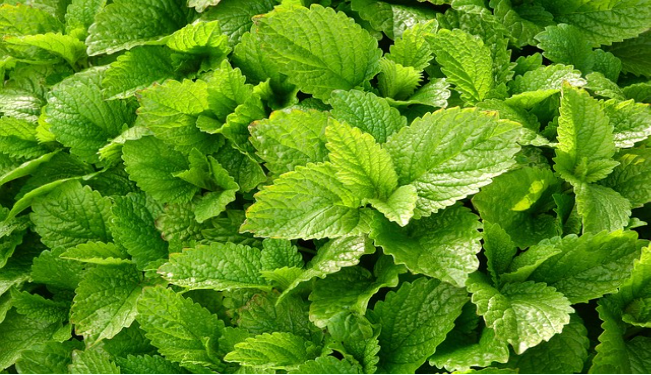
COMMON NAME: LEMONBALM, melissa, balm mint, balm, sweet balm
LATIN NAME: Melissa officinalis
FAMILY: Lamiaceae
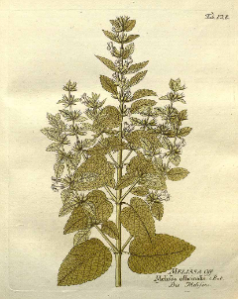
PARTS USED: whole herb
REGIONS: Southern and Central Europe, Mediterranean
SYSTEM AFFECTED: digestive, nervous, cardiovascular, uterinary, circulatory, reproductive
HARVESTING GUIDELINES: Harvest aerial parts just before flowers open
PLANT CONSTITUENTS: Volatile oils, flavonoids, polyphenols, tannins, triterpenic acid
ACTIONS: Anodyne, Antidepressant, Antispasmodic, Antiviral, Aromatic, Diaphoretic, Digestive, Emmenagogue, Febrifuge, Hypotensive, Nervine, Sedative, Uterine Tonic, Vermifuge
TASTE: Sweet, Astringent, Sour
ENERGY: cooling, drying
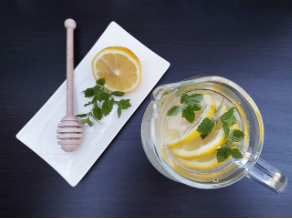 USES:Lemon balm (Melissa officinalis) is a gentle, calming herb long valued for its mild sedative and soothing effects. It can ease tension and promote restful sleep, and many people find it helpful for nervousness, anxiety, and low mood. Traditional and some clinical sources report benefits for digestive complaints—nausea, heartburn, cramping, and other stomach upsets—making it a common remedy for menstrual pain and related discomfort.
Lemon balm also shows antiviral and antibacterial activity in laboratory and clinical contexts, and it has antioxidant properties that help reduce oxidative stress and protect cellular components, including DNA. Research—including a 2011 study—has indicated promising radioprotective effects: lemon balm compounds may help shield DNA from radiation-induced damage.
When used appropriately, lemon balm is generally considered safe. It is often recommended for pregnant women to relieve mild nausea, heartburn, and nervousness, though pregnant or breastfeeding people should consult a healthcare provider before starting any herbal treatment. Common side effects are usually mild and may include drowsiness, nausea, dizziness, increased appetite, or skin sensitivity in susceptible individuals.
As with any herb, quality and dosage vary among preparations (teas, tinctures, extracts, topical formulations). For persistent, severe, or unexplained symptoms—or when combining lemon balm with prescription medications—seek professional medical advice to confirm safety and appropriate dosing.
CONTRADICTIONS: none known
DOSAGES: Infusion: 1-2 teaspoon(s) of dried lemon balm in 1 cup of hot water, infused for 10-15 minutes (drink 2-4 cups/day). Tincture: 3-5 mL, 3-4x/day of a 1:5