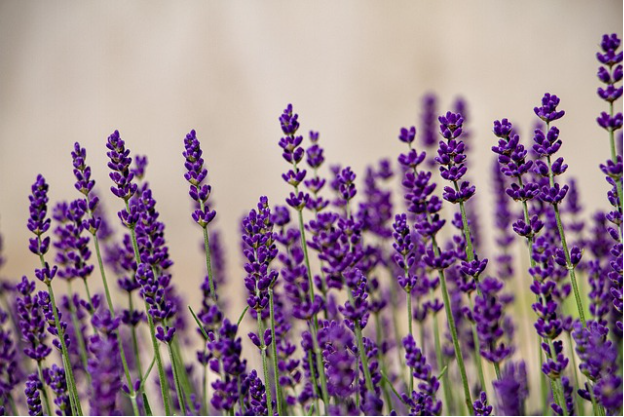
COMMON NAME: LAVENDER
LATIN NAME: Lavandula spp.
FAMILY: Lamiaceae
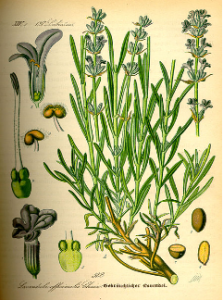
PARTS USED: flowers
REGIONS: Mediterranean region, southern Europe, and parts of northern Africa, northeast India, and southeast Asia
SYSTEM AFFECTED: nervous, circulatory
HARVESTING GUIDELINES: Always harvest on a completely dry day and dry the plant as soon as possible after harvesting to decrease the likelihood of molding.
PLANT CONSTITUENTS: Volatile oils (especially linalyl acetate, linalool, and cineole), flavonoids, tannins, coumarins, diterpenes, vitamin C, resin
ACTIONS: Analgesic, Antidepressant, Antifungal, Antioxidant, Antirheumatic AntiViral, Cholagogue, Cytophylactic, Diaphoretic, Diuretic, Emmenagogue, Hypotensive, Muscle Relaxant, Nervine, Sedative, Vermifuge, Vulnerary
TASTE: Bitter
ENERGY: Cooling, Drying
 USES: Lavender is widely valued as a nervine tonic that supports the nervous system. It helps calm anxiety, ease depression-related tension, and improve sleep by reducing nervous agitation and promoting relaxation. Regular gentle use can strengthen overall nervous-system resilience and alleviate headaches linked to stress.
Topically, lavender has soothing and healing properties. It eases pain from burns and scrapes, reduces itching from insect bites, and supports wound care by helping to disinfect minor cuts and sores while promoting faster healing and reduced scarring when used appropriately. Its mild analgesic and anti-inflammatory effects contribute to comfort during recovery.
Lavender’s aroma also functions as an effective insect repellent; its strong scent deters flies, mosquitoes, and moths. Additionally, traditional uses include control of lice and other external parasites.
For digestive complaints linked to tension, lavender can relax spasms in the gastrointestinal tract and relieve gas and cramping associated with anxiety. This antispasmodic action helps restore comfort when stress contributes to digestive upset.
Suggestions for practical use:
- Aromatherapy: diffuse or inhale diluted lavender essential oil for calming and sleep support.
- Topical application: use properly diluted essential oil or a lavender-infused ointment on minor burns, bites, or scrapes. Patch-test first and avoid broken skin if using undiluted oil.
- Herbal preparations: lavender tea can soothe mild digestive spasms and promote relaxation.
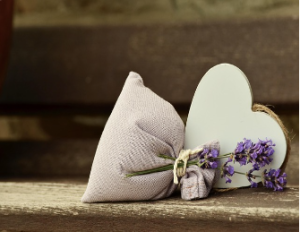
- Preventive: sachets of dried lavender or diluted oil can help repel insects in closets and living spaces.
CONTRADICTIONS: Some are sensitive to it but its safe. Use cautiously around pregnant people, infants, those with allergies, or when using medications; consult a healthcare professional for persistent or serious conditions.
DOSAGES: Tea: 1 teaspoon of dried lavender buds in 8 ounces of water steeped for 20-30 minutes. Drink 4 ounces 3x/day. Tincture: 1.5-2 mL 3x/day of a 1:5 tincture.