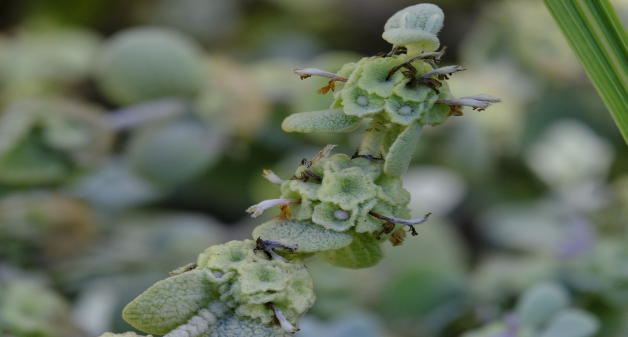
COMMON NAME: HOREHOUND, White horehound, marrubio
LATIN NAME: Marrubium vulgare
FAMILY: Lamiaceae
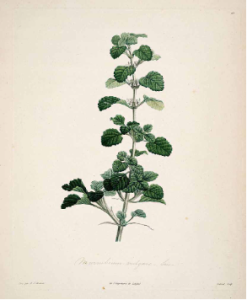
PARTS USED: Leaf and flowering tops
REGIONS: Europe, North Africa, Southwestern and Central Asia
SYSTEM AFFECTED: respiratory, circulatory, urinary, digestive
HARVESTING GUIDELINES: Horehound’s aerial parts are picked below the lowest bract of healthy leaves right after the plant completes flowering and the seed puffs begin to thicken. It can be harvested anytime during growing season and typically flowers from July until frost
PLANT CONSTITUENTS: up to 1% marrubiin (a bitter principle), diterpene alcohols (eg marrbiol and murrubenol), small amounts of alkaloids, traces of volatile oil and a sesquiterpene, tannin, saponin, resin
ACTIONS: Analgesic, Anti-inflammatory, Antioxidant, Antispasmodic, Antitussive, Aromatic, Bitter, Choleretic, Detoxicant, Diaphoretic, Diuretic, Emmenagogue, Expectorant, Mucostatic, Stimulant, Tonic, Vulnerary
TASTE: Bitter, Pungent, Acrid, Salty
ENERGY: Cooling, Warming, Drying
 USES: Horehound can ease intense menstrual cramps because it has antispasmodic properties. It may calm the nervous system and help prevent or reduce seizures, muscle twitches, cramps, and other spasms. Horehound also has anti-inflammatory effects and mild antiseptic qualities that can support gastrointestinal health. By reducing inflammation in the colon, it may help relieve constipation, bloating, excess gas, and reduce risk factors associated with hemorrhoids. Some sources report horehound can lower LDL (bad) cholesterol. The herb exhibits antibiotic and antimicrobial activity that may support immune defenses against certain pathogens. Horehound is widely used for respiratory conditions: it can thin mucus and soothe both upper and lower airways, and is commonly applied for nonproductive coughs, wheezing, pharyngitis, sinusitis, pertussis, bronchitis, asthma, and related bronchial complaints.
CONTRADICTIONS:. Horehound’s bitter action makes it unsuitable for people with kidney stones, gallbladder disease, dysmenorrhea, gastroesophageal reflux disease (GERD), hiatal hernia, gastritis, and peptic ulcers. Traditionally used as an emmenagogue, horehound should not be taken during pregnancy except under strict supervision of a qualified healthcare practitioner. Frequent or long-term use may raise blood pressure in some individuals, especially elderly people with episodic hypertension.
Suggestions for clarity and safety:
- Specify forms and doses (tea, tincture, extract) and duration of use when advising avoidance.
- Advise patients with the listed conditions to consult their healthcare provider before use.
- For pregnant or breastfeeding people, recommend complete avoidance unless a clinician approves monitored use.
- For those with hypertension or cardiovascular risk, suggest monitoring blood pressure if horehound use is considered and avoiding long-term or high-dose use.
DOSAGES: Tea: 5-14g of dried aerial parts/day divided into 3 doses
Tincture: 1-2 mL (1:5, 40%) up to 3x/day