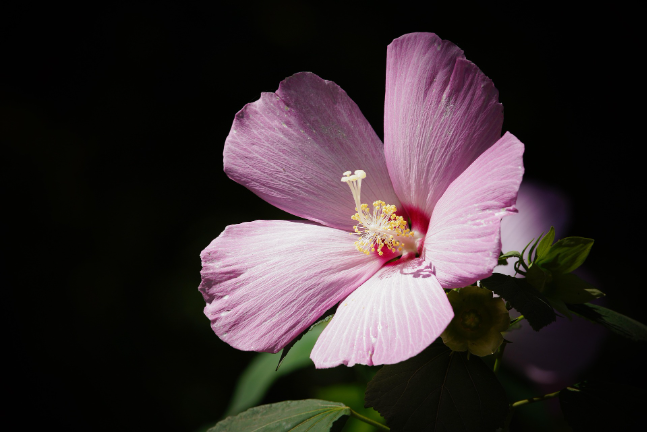
COMMON NAME: HIBISCUS, Roselle, Jamaica Sorrel, red sorrel
LATIN NAME: Hibiscus sabdariffa
FAMILY: Malvaceae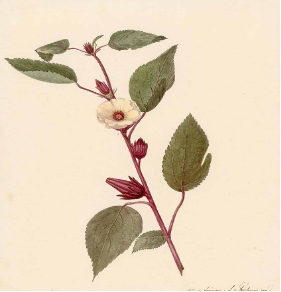
PARTS USED: flower, Calyces
REGIONS: North Africa, Southeast Asia
SYSTEM AFFECTED: digestive, structural
HARVESTING GUIDELINES: Calyces (sepals) are harvested after the flowers bloom and petals fall off and the calyces become thick and fleshy.
PLANT CONSTITUENTS: plant acids including: allohydroxycitric-acid (hca), citric-acid, malic-acid, ascorbic-acid, hibiscus-acid- mucilage, pectin, anthocyanins, calcium, carbohydrates, chromium
ACTIONS: Astringent, Balances hormones, Antibacterial, Anti-catarrhal, Anti-inflammatory, Antimicrobial, Antioxidant, Diuretic, Cardio tonic, Hepatic, Hypo-cholesterolemic Immune Stimulant, Reproductive tonic
TASTE: Astringent, Sour
ENERGY: Cooling, drying
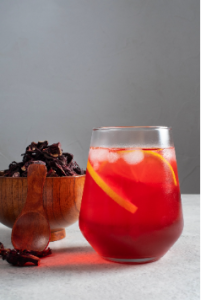 USES: Hibiscus offers several potential health benefits supported by preliminary research and traditional use. It may help support cardiovascular health by lowering and maintaining healthy blood pressure and improving cholesterol profiles. Hibiscus flowers are naturally high in vitamin C, an antioxidant, and they have mild diuretic and laxative properties. The plant also shows anti-inflammatory effects and contains minerals such as iron, phosphorus, calcium, magnesium, sodium, potassium, and trace aluminum.
Traditionally, hibiscus has been used to relieve coughs, sore throats, colds, upper respiratory congestion, and occasional sleeplessness. It may help loosen and clear mucus and support healthy function of the digestive, respiratory, circulatory, and reproductive systems. Hibiscus exhibits antibacterial activity that could help prevent urinary tract infections and assist in treating bladder infections. Additionally, hibiscus tea has uricosuric effects that can increase uric acid excretion, potentially reducing the risk of gout and some kidney stone types.
CONTRADICTIONS: Hibiscus is generally considered safe when consumed as a beverage or culinary ingredient. However, concentrated extracts or very high doses have been associated with liver toxicity in some animal and laboratory studies. Pregnant people are advised to avoid hibiscus products because of limited safety data and potential reproductive effects reported in some studies. As with any herbal supplement, consult a healthcare provider before use—especially if pregnant, breastfeeding, taking prescription medications, or managing chronic conditions—to determine appropriate dosing and avoid interactions.
DOSAGES: Tea: 2 tsp hibiscus in 1 cup boiling water, 3x per day.