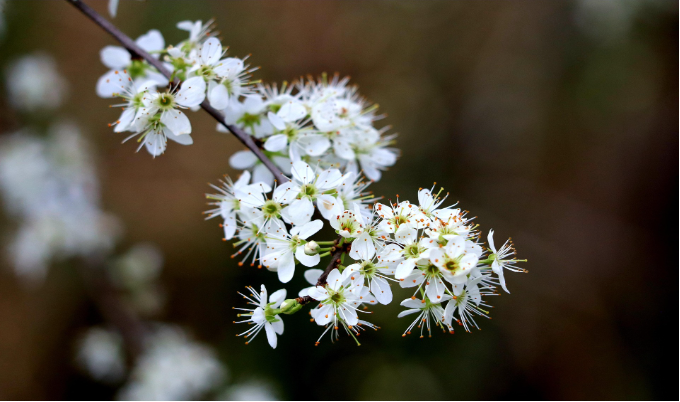
COMMON NAME: HAWTHORN, Mayblossom, whitethorn, Red Haw; Mayflower
LATIN NAME: Crataegus spp.
FAMILY: Rosaceae
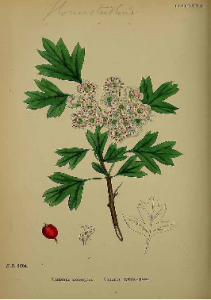
PARTS USED: Fresh or dried berries (technically pomes), flowering tops, leaves
REGIONS: Europe, Asia, North America, North Africa
SYSTEM AFFECTED: circulatory, digestive
HARVESTING GUIDELINES: The flowers and leaves are harvested in the spring, and the ripe berries may be harvested in the fall.
PLANT CONSTITUENTS: Bioflavonoids (vitexin, rutin, quercetin, and hyperoside), triterpenoids, oligomeric proanthocyanins (epicatechin and procyanidins), phenolic acids, polyphenols, tannins
ACTIONS: Anti-inflammatory, Antioxidant, Cardio tonic, Hypolipidemic, Hypotensive, Cardiac trophorestorative, Nervine, Vasodilator, Astringent
TASTE: Sour, Sweet
ENERGY: Cooling (TCM), Warming (Ayurveda)
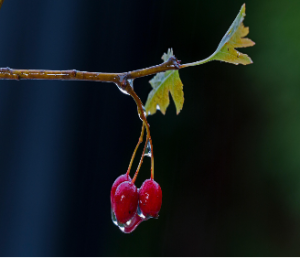 USES: Hawthorn berries and other plant parts have long been used for cardiovascular and digestive support. They may help both high and low blood pressure, reduce rapid pulse and some arrhythmias, and relieve angina. Hawthorn appears to dilate coronary arteries, improve myocardial oxygenation and energy metabolism, reduce lactic acid accumulation that contributes to exertional chest pain, and support overall cardiac pumping function. These effects contribute to its traditional reputation for balancing the cardiovascular system and assisting in atherosclerosis management.
Hawthorn is also used for insomnia and as a digestive aid. The flowers, leaves, and berries are astringent; decoctions of flowers and fruit have been traditionally used to soothe sore throats.
Suggestions for improvement:
- Clarify evidence level: distinguish traditional uses and observational findings from well‑controlled clinical evidence.
- Specify preparations and dosing (tea, extract, standardized extract) and mention potential interactions with heart medications (e.g., digitalis, beta‑blockers, ACE inhibitors) and anticoagulants.
- Add safety notes: possible side effects (dizziness, gastrointestinal upset), contraindications in pregnancy, and the importance of consulting a healthcare provider before use.
- Cite species or extract standardization where possible (e.g., Crataegus pinnatifida or standardized flavonoid/oligomeric procyanidin content) to improve reproducibility.
CONTRADICTIONS: Care should be taken not to be pricked by the thorns found along hawthorn branches. They may cause infection or septic. Toxicity has been noted only with very high doses. This herb is safe.
DOSAGES: Hawthorn Leaf Tea: Steep 1.5 grams dried herb in 150 mL boiling water for 15 minutes, three times/daily.
Hawthorn fruit tincture: 2.5 mL of 1:5 in 40%, three times/day. For acute conditions, the dose is up to 5 mL three times/day