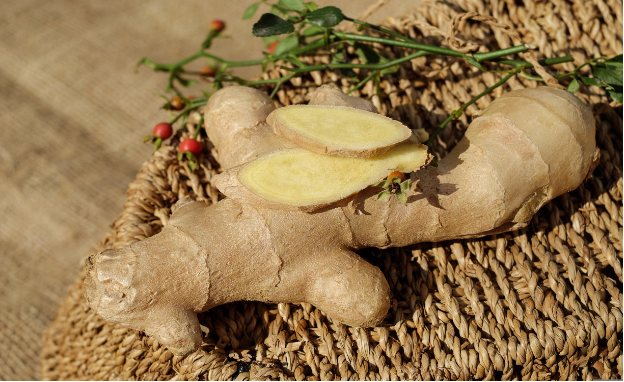
COMMON NAME: GINGER ROOT, Luyang Dilaw
LATIN NAME: Zingiber officinale
FAMILY: Zingiberaceae
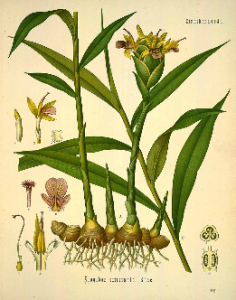
PARTS USED: Root
REGIONS: South Asia, East Africa, the Caribbean, India, Europe
SYSTEM AFFECTED: digestive, circulatory, structural
HARVESTING GUIDELINES: Harvest the rhizome about 10 months into growth, or after leaves have died back
PLANT CONSTITUENTS: Zingerone, shogaols, gingerols, sesquiterpenoids, volatile oil, oleoresin, lipids
ACTIONS: Anti-emetic, Antiviral, Anti-inflammatory, Carminative, Antispasmodic, Circulatory, Stimulant, Radioprotective
TASTE: Spicy
ENERGY: Warming
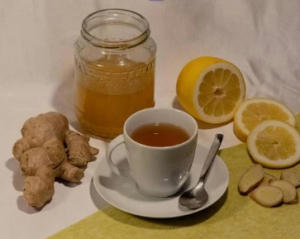 USES: Ginger is a warming herb that stimulates circulation and boosts energy. It supports digestion, heart health, immunity, and the reproductive system. Its warming nature makes it especially useful for cold, damp, or stagnant conditions. Ginger’s antiviral effects include stimulating macrophage activity, blocking viral attachment to cell walls, and acting as a virucide.
- As a carminative and digestive aid, ginger warms the stomach to improve digestion and bile secretion, enhance fat breakdown, and promote smooth movement of food through the digestive tract. These actions help reduce stagnation, irritation, bloating, and gas. Ginger is also a well-known antispasmodic that relieves nausea, motion sickness, and morning sickness, often without the side effects associated with pharmaceutical anti-nausea drugs.
- Beyond digestion and antivirals, ginger may improve lipid metabolism and lower cholesterol, which can reduce the risk of cardiovascular disease and support metabolic health, including diabetes prevention. Its anti-inflammatory and antioxidant compounds—such as gingerol—contribute to muscle-soothing, pain relief, and general immune support.
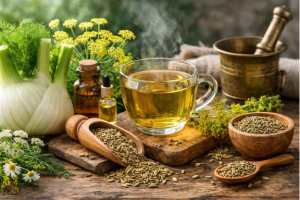
- Practical suggestions: use fresh or powdered ginger in teas, soups, stir-fries, or smoothies; steep sliced fresh ginger in hot water for a simple digestive tonic; and consider candied or crystallized ginger for nausea relief during travel or pregnancy after consulting a healthcare provider.
CONTRADICTIONS: Ginger may interact with certain medications like warfarin, and medications for diabetes and high blood pressure. Ginger may increase risk of bleeding. Pregnant women not to use more than 2 grams of dried ginger a day Start with small amounts if you’re new to ginger, and check with a clinician if you take blood thinners or have medical concerns.
DOSAGES: Tea: 3-5 grams of fresh root/day in tea or .5 to 2 teaspoons of dried root/day. Tincture: 1-2 mL in water 3x/day of a 1:2 fresh tincture; 1-1.5 mL in water 3x/day for a 1:5 dry tincture