COMMON NAME: ELDER, black elder, blue elderberry, bore tree, common elder, elderberry, elkhorn, sweet elder
LATIN NAME: ambucus nigra L. ssp. canadensis (L.)
FAMILY: Adoxaceae (formerly Caprifoliaceae)
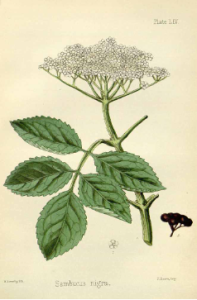
PARTS USED: Flower (dried), berry (cooked)
REGIONS: Asia, Africa, Europe, North America
SYSTEM AFFECTED: Immune, respiratory, nervous
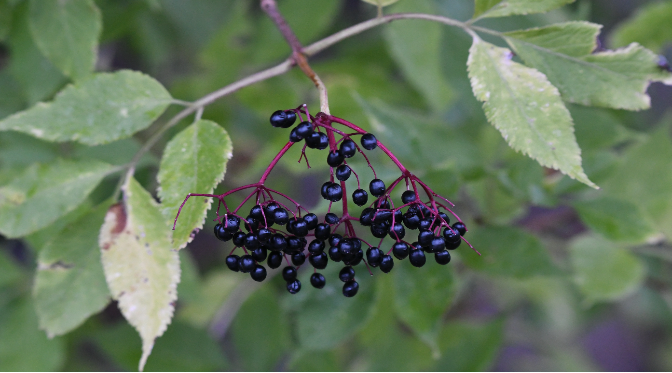
HARVESTING GUIDELINES: Elder flower can be removed from the base of the flower cluster stalk. Berries should be fully ripe before harvesting – do not pick green or unripe berries. Harvest the berry stalk and then separate the berries from the stems.
PLANT CONSTITUENTS: Berries: vitamin C, anthocyanins, flavonoids. Flowers: mucilage, flavonoids, volatile oil, quercetin, free fatty acids, triterpenes, phenolic acid, minerals, sterols, sugars, tannins. Leaves: Cyanogenic glycosides
ACTIONS: Diuretic, Antivirals, Analgesic, Anti-inflammatory, Antioxidant, Immune Stimulant
TASTE: slightly sweet
ENERGY: cooling, pungent
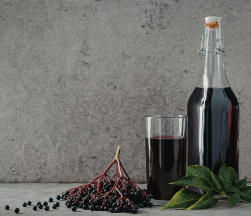 USES: Elderberries and elderflowers are nutrient-dense and offer a range of potential health benefits. They contain minerals such as iron, potassium, phosphorus, and copper, plus vitamins A, B-complex, and C. They also provide protein and dietary fiber. Rich in antioxidants and anti-inflammatory compounds, elderberry may help reduce oxidative stress and inflammation.
Traditional and emerging uses include:
- Cold and flu relief: Elderberry preparations, especially syrups, are commonly used to ease symptoms and may shorten illness duration.
- Respiratory support: Anti-inflammatory properties can soothe respiratory discomfort associated with colds and bronchial irritation.
- Immune support: Vitamin and antioxidant content may bolster immune function.
- Cardiovascular health: Compounds in elderberry may help improve heart health by supporting healthy cholesterol levels and circulation.
- Digestive balance: Dietary fiber can aid gut health and help relieve mild constipation.
- Bone and anti-aging support: Nutrients like phosphorus and copper contribute to bone maintenance, while antioxidants may help protect against age-related cellular damage.
Suggestions for improvement:
- Specify doses and forms (syrup, extract, capsule) for each use.
- Cite clinical evidence distinguishing traditional use from proven benefits.
CONTRADICTIONS: The elderflowers are considered safe even for small children, and the ripe fresh berries are considered safe unless consumed in high quantities or by someone sensitive to the compounds in the plant. Elder bark, leaves, roots, seeds, and unripe berries contain alkaloids and cyanogenic glycosides, which may cause nausea, vomiting, and diarrhea
- Note safety: raw elderberries/other parts can be toxic unless cooked or processed; discuss contraindications and interactions.
- Recommend consulting a healthcare provider before starting supplements, especially for pregnant/nursing individuals or those on medications.Revised for clarity, concision, and accuracy while preserving the original claims and practical uses.
- DOSAGES: Tea: 1-2 teaspoons flowers per cup boiling water, steeped for 10-15 minutes, taken three times per day. Tincture: 2-4 mL (1:5 in 40%) elderflower tincture, taken three times per day. Syrup: 2-3 teaspoons elderberry syrup, taken 3-4 times per day