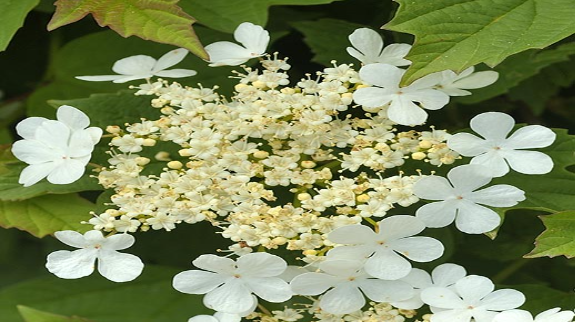
COMMON NAME: CRAMP BARK, Squaw bush, black haw.
LATIN NAME: Viburnum opulus
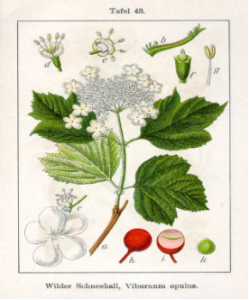
FAMILY: Adoxaceae (formerly Caprifoliaceae)
PARTS USED: Bark
REGIONS: Europe, Northern Africa, and Northern Asia
SYSTEM AFFECTED: Nervous, digestive,
HARVESTING GUIDELINES: Harvest in early spring, when the shrub begins to bud, cut through the outer bark, past the cambium layer, but stopping before reaching the plant’s woody center.
PLANT CONSTITUENTS: hydroquinones, courmarins, and tannin
ACTIONS: Anti-abortive, Antispasmodic, Astringent, Diuretic, Emmenagogue, Nervine, Sedative, Tonic
TASTE: Bitter, Acrid
ENERGY: Cooling, Drying
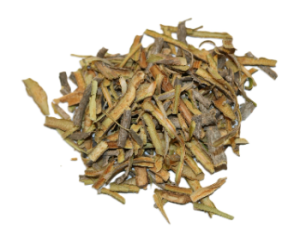 USES. Cramp bark (Viburnum opulus) is traditionally used to relieve various types of cramping, including menstrual cramps, muscle spasms, and general muscular cramping. It is an astringent and has been used to help control excessive menstrual bleeding. Other traditional uses include easing bronchial spasms, violent coughing from bronchitis, and some asthma-related spasms.
Herbalists also use cramp bark for certain cardiovascular symptoms, such as palpitations, high blood pressure, and irregular pulse, and for soothing lower‑back pain and arthritic joints. Topical preparations (lotions or liniments) are applied to relax muscles and increase blood flow to injured joints and surrounding tissues. It has been used for some urinary tract discomfort and, historically, in pregnancy-related issues such as threatened miscarriage and pain during or after labor.
CONTRADICTIONS: Cramp bark may cause gastroenteritis and hypotension. Individuals with blood disorders, those taking blood thinners, people with a history of kidney stones, or those allergic to aspirin should not use cramp bark. During pregnancy, cramp bark should only be used under supervision of a trained practitioner
DOSAGES: Tincture: root bark and bark, 1:5, 50 percent alcohol, 30-90 drops up to 3 times/day
Decoction: simmer 2 teaspoons of dried bark in a cup of water for 10 minutes, take 3 times/day