
COMMON NAME: CHAMOMILE
LATIN NAME: Matricaria chamomilla
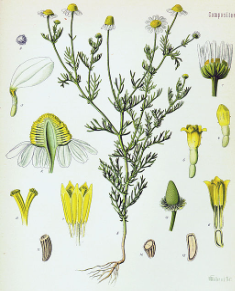
FAMILY: Asteraceae
PARTS USED: Flower head
REGIONS: Southern and Eastern Europe
SYSTEM AFFECTED: urinary, nervous, digestive, circulatory
HARVESTING GUIDELINES: flowers at their peak in the morning after dew has evaporated
PLANT CONSTITUENTS: Coumarins, flavonoids, glycosides, sesquiterpenes, tannins, quercetin, volatile oils
ACTIONS: Nervine, Carminative, Anti-spasmodic, Anti-inflammatory, Bitter, Vulnerary, Anti-microbial, Antidepressant, Anxiolytic
TASTE: Bitter (mild), Sweet
ENERGY: Cooling
 USES: Chamomile contains volatile oils with bactericidal and fungicidal activity, including effects against common bacteria and Candida albicans. Its essential oil also has analgesic, antispasmodic, anti-inflammatory, antipyretic, and mild antianaphylactic properties. These actions make chamomile useful for several concerns:
- Menstrual and reproductive health: Chamomile can help regulate delayed or irregular menstruation and contains potent antispasmodic constituents that relax tense muscles and relieve premenstrual and menstrual cramping.
- Nervous system and mood: Chamomile has calming, mild sedative effects that reduce anxiety and stress. It may support sleep in children and infants and can have a beneficial effect on attention-deficit symptoms for some individuals.
- Digestive and hepatic support: Bitter constituents in chamomile stimulate gastric secretions, aiding digestion and acting as a general tonic for the liver and digestive system. Its antispasmodic and anti-inflammatory properties can soothe intestinal cramps and reduce inflammation across the digestive tract, making it a common adjunct in managing irritable bowel symptoms.
- Topical and antimicrobial uses: Chamomile’s antimicrobial and anti-inflammatory properties support wound healing and can be used topically for irritated skin. The oil’s antimicrobial activity includes antifungal effects against Candida species.
- Chamomile makes an effective hot poultice to reduce swelling and ease pain when applied to a swollen jaw or a painful ear. For a dental abscess, place one drop of chamomile oil on a cotton ball and apply it directly to the affected area. German chamomile used as a gargle can help with gingivitis and bacterial infections of the mouth and gums. A fun fact: chamomile is also used to add a golden tint to hair and to scent shampoo formulas.
CONTRADICTIONS: when taking with contraceptive drugs, estrogen pills, medications that pass through the liver, and sedative medications. Do not take if on blood thinners. Some people allergic to plants in the Asteraceae family may be sensitive to chamomile.
DOSAGES: Tincture: 1 – 4 mL (1:5 in 40%) 3x/day
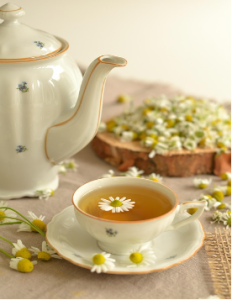
Tea: 2-3 teaspoons dried herb infused for 10 minutes in 8 ounces boiling water, 3 to 4 cups a day
herbal skin washes and baths with chamomile tea can calm skin inflammations