COMMON NAME: CALENDULA, Pot marigold 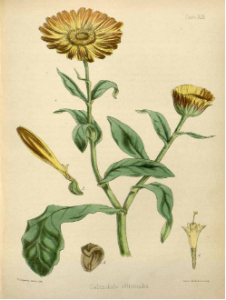
LATIN NAME: Calendula officinalis
FAMILY: ASTERACEAE
PARTS USED: flower, ray florets
REGIONS: Planted throughout the world
SYSTEM AFFECTED:
HARVESTING GUIDELINES: The fresh flower heads are harvested and the ray florets are removed and used
PLANT CONSTITUENTS: carotenoids, resin, essential oil, flavonoids, sterol, bitter principle, saponins, mucilage
ACTIONS: Analgesic, Anti-inflammatory, Antibacterial, Antifungal, Antiscrofulous, Astringent, Cholagogue, Depurative, Diaphoretic, Emmenagogue, Febrifuge,Vulnerary
TASTE: Bitter (mild)
ENERGY: Warm, Drying
 USES: Calendula is a versatile medicinal herb prized for its wound-healing and supportive actions both externally and internally. As a vulnerary, it soothes and promotes repair of cuts, burns, bites, sprains, bruises, rashes, sunburns, and abrasions. Its anti-inflammatory, antibacterial, antiviral, and hemostatic properties reduce swelling, help control bleeding, and lower infection risk, while its mild analgesic action—partly attributed to salicylic acid—eases pain from wounds and irritations, including nettle stings. Calendula also relieves itching and is used on persistent wounds and old scars for its regenerative benefits.
Taken internally, calendula’s slightly bitter taste reflects traditional uses for the digestive system. It is considered a cholagogue, supporting bile flow and gallbladder function, and can aid digestion. As an immune stimulant with antimicrobial activity, calendula may help the body resist pathogens when used as an internal remedy.
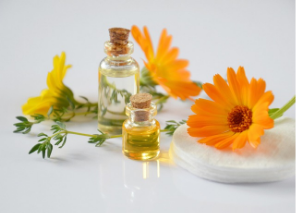
Common applications include topical creams, ointments, infused oils, compresses, and washes for skin injuries and inflammations. Internally, it is prepared as teas, tinctures, or extracts for digestive support and mild immune stimulation. As with any herb, dosing and preparation affect potency; consult a qualified practitioner for appropriate use, especially during pregnancy, lactation, or when taking anticoagulant or other medications that could interact with salicylates.
CONTRADICTIONS: Calendula is considered a very safe herb. Should not be used during pregnancy as it promotes contractions
DOSAGES: Tincture: 1-4 ml (1:5 in 60%) 3x/day
Tea: 1-2 teaspoons flowers in boiling water, steeped for 10-15 minutes, 3x/day
External applications: lotion, salve, or wash as needed